Inside the Rutland rescue helping hundreds of hedgehogs
By Tomas Schoettler Casey 26th Nov 2026
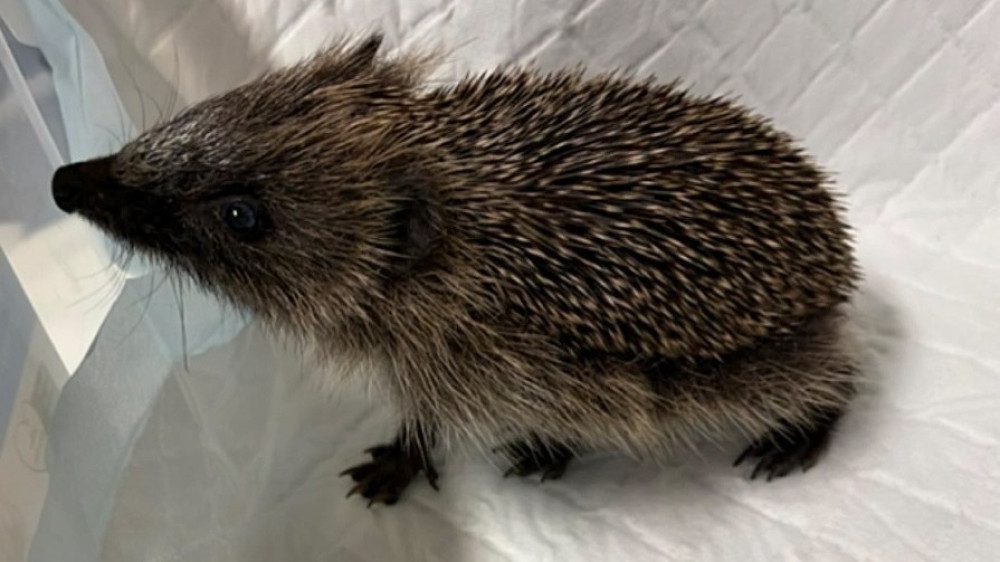

A Rutland hedgehog rescue is hoping to expand its capacity next year as it continues to care for sick, injured and underweight animals, while urging residents to take extra care of the county's prickly visitors this winter.
Prickleback Urchin Hedgehog Rescue, a small home-based charity, takes in around 140 to 150 hedgehogs each year, with its team working alongside local veterinary practices to rehabilitate animals before returning them to the wild.
However, winter brings additional challenges, with hedgehogs often requiring longer periods of care and freezing temperatures making it difficult to release recovered animals.
Rachel, who runs the rescue with her husband Jason, said one of the biggest misconceptions was that all hedgehogs needed to hibernate during the colder months.
"People think all hedgehogs have to hibernate, but they don't," she explained.
Hibernation is a risky process for hedgehogs, with their heart rates slowing dramatically as they enter a state of suspended animation.
Rachel said changing weather patterns and increasingly mild winters had also affected their behaviour, meaning some hedgehogs remained active for longer.
She explained that hedgehogs which weigh more than 450g are statistically more likely to survive hibernation, based on research suggesting that they have greater fat reserves.

However, Rachel warned against members of the public becoming overly concerned about hedgehogs spotted out at night.
"People really don't need to worry too early. They don't need to be picking up hedgehogs if they're out at night."
Instead, residents are encouraged to continue providing supplementary food, such as good-quality hedgehog food or kitten biscuits, alongside fresh water.
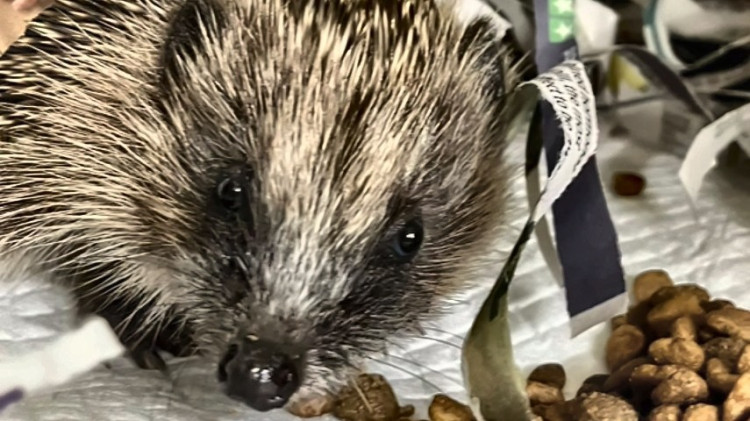
"Leave them alone, is the message," Rachel added.
However, seeing a hedgehog out during daylight hours can be a sign that something is seriously wrong.
Rachel said members of the public should safely pick up the animal using gloves, place it in a box with a towel and water, and seek advice from a recognised hedgehog rescue.
She warned that hesitation could cost an animal its life: "By the time they've dithered, the hedgehog's wandered off. And then they can't find it again.
"So they've missed that moment to save a life."
Rescue reaches capacity as winter brings additional challenges
Prickleback Urchin currently cares for between 140 and 150 hedgehogs annually, but its relatively small facilities mean there is limited space available.
Rachel said one of the biggest challenges during winter was the length of time animals needed to remain in rehabilitation.
During the summer, a typical rehabilitation programme can take between six and eight weeks. However, autumn-born hedgehogs often arrive in poorer condition and require additional care.
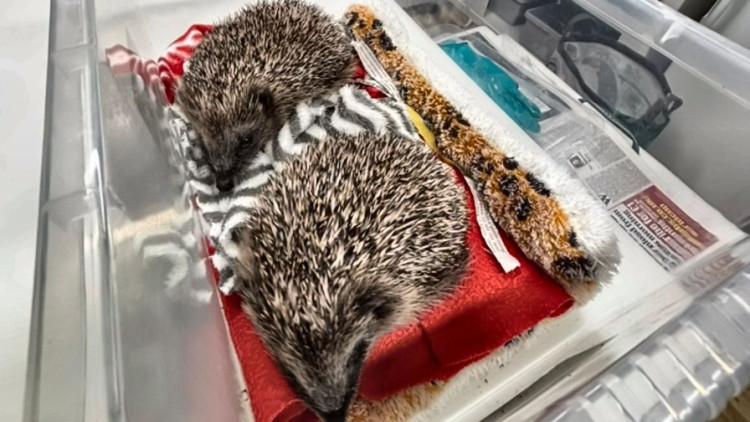
Even when an animal has recovered sufficiently, freezing temperatures can prevent it from being safely released back into the wild.
Rachel said the situation could leave the rescue unable to take in further animals.
"We work full time and run a rescue full time. So we're quite a small place," she explained.
She added that residents sometimes had to travel considerable distances to find available rescue spaces.
"There's got to be an element of kindness over the fact that rescues will be full and it's not because we don't want to help.
"It's just because we only have so many cages, and when they're full, they're full."
Rachel also stressed the importance of ensuring hedgehogs receive appropriate professional care, warning that not every organisation describing itself as a rescue necessarily has the necessary training or facilities.
Prickleback Urchin works with veterinary practices in Oakham, with qualified vets responsible for clinical decisions and assessing whether injured animals can recover.
Rachel said even when an animal could not be rehabilitated, getting it to a vet could prevent prolonged suffering.
"We see all rescues as successful because all rescues are sick and injured animals.
"It's just whether or not we can rehabilitate what's wrong with them or whether or not it's ending their suffering, but both of which are a kindness."
From 36 grams to the wild
Despite the challenges, Rachel said seeing hedgehogs recover and return to their natural habitat remained the most rewarding part of the work.
She recalled one particularly memorable hoglet which arrived at the rescue weighing just 36g, at approximately 48 hours old.
The team cared for the tiny animal around the clock, feeding it every two hours, including throughout the night.
Eventually, it was successfully raised to 700g and released back into the wild.
"Watching her be released and going and to then have the natural life that she's entitled to as a wild animal is just the most rewarding experience," Rachel said.
"Without that intensive intervention from humans, she would have perished."
She added that many injuries were caused accidentally by human activity, including garden equipment and chemicals.
Helping an animal recover from an injury caused by people could be particularly rewarding.
"One human caused the injury, but a whole host of humans have tried to put it right and to undo that damage."
How the rescue began
Prickleback Urchin was established after Rachel and Jason found a hedgehog in need of help several years ago but struggled to find a local rescue with available space.
After discovering there was no dedicated hedgehog rescue in Rutland, they decided to undertake the necessary training and establish one themselves, initially working with Rutland Veterinary Centre.
Rachel said the rescue was originally intended to help take hedgehogs from veterinary practices and provide somewhere for animals to receive specialist care.
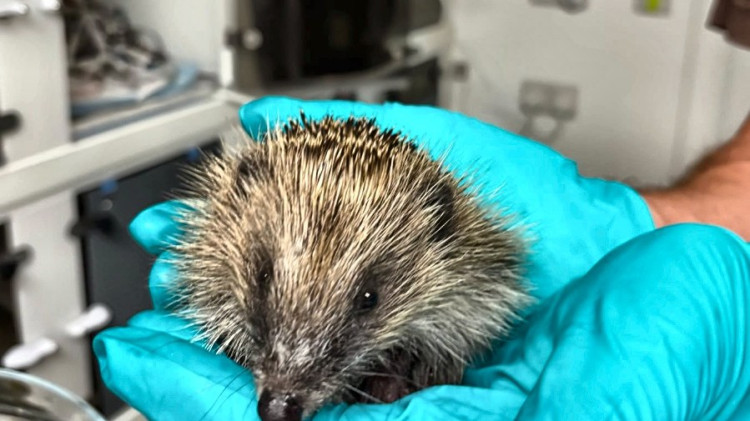
However, it quickly grew, with annual running costs reaching approximately £11,000.
The charity now has five trustees and around eight regular volunteers.
Rachel said the organisation had received tremendous support from the local community, including people taking on fundraising challenges such as marathons and skydives.
She said: "We have had the most amazing support from people locally."
The rescue is now hoping to expand its facilities in 2027, which would allow it to accommodate more hedgehogs.
However, the plans are dependent on raising a further £3,000.
Rachel said: "We are hoping to expand our rescue in 2027, which would see us gain even more capacity.
"If I can raise another £3,000, I can then build. I've got everything sorted out to have the next unit built."
How Rutland residents can help:
Alongside rehabilitation, Rachel said education and prevention were central to the charity's work.
She encouraged residents to make their gardens more welcoming to hedgehogs by providing food and water, creating gaps in fences to allow them to move between gardens and leaving fallen leaves for nesting material.
She also urged people to avoid pesticides and take extra care when using strimmers or other garden machinery, checking carefully before switching them on.
Football nets left out overnight can also pose a serious danger, with hedgehogs becoming tangled in the netting.
"It's the preventable deaths. They're the ones that get me," Rachel said.
Residents who regularly see hedgehogs in their gardens can also observe them safely using a torch with a red-light filter, which Rachel said was less disturbing to the animals than bright white light.
She warned against picking up or attempting to keep hedgehogs at home, explaining that they are wild animals which require specialist care and can carry diseases.
Rachel said the charity's wider ambition was to reduce the number of preventable injuries through better public awareness.
"We would love it to be that the education side of what we do is strong enough that injuries are reduced and unnecessary losses are reduced."
She also praised the support received from Oakham and the surrounding villages, encouraging residents to follow the rescue's work and seek advice from recognised organisations if they encounter a hedgehog in need.
"The community in Oakham and the surrounding areas honestly are amazing with us," she said.
"They just wrap their arms around us whenever we need help, and they will step up."
Residents can find out more about Prickleback Urchin Hedgehog Rescue and its work through both its website and Facebook page.
Download our Nub News App:
- It’s FREE and available now
- Breaking news notifications
- Your Town in Your Pocket


Share: