
Rutland farmers will “have to adapt” to heatwaves, councillor says
By Seth Walton - Local Democracy Reporter 24th Jun 2026

Farmers will "have to adapt" to periods of intense heat, a councillor has said.
Rutland county councillor Andrew Brown (Independent – Lyddington Ward), who is a farmer of arable and pasture land himself, said managing the current heatwave will require "getting enough water to the livestock", but there's "nothing you can really do with the crops".
"The winter crops will probably be OK since their roots will have grown deeper into the soil," Coun Brown said, "but the crops planted in the spring time will suffer more.
"Whether they survive depends on that stage of growth they're at and the moisture level in the soil. They can either die, or survive with a much reduced yield, which is obviously problematic because you spend a lot of money growing these crops. If they don't yield, then you've wasted your money."
Temperatures could reach 36°C in Rutland on Thursday (June 25), according to the Met Office, which would sit on a par with the existing county record of around 36.4°C, recorded in 2022. Temperatures may reach as high as 40°C in other parts of the country.
Coun Brown continued: "These temperatures are unprecedented. We're looking at 15 degrees higher than the average at this time of year. The crops suffer the same as people do. The ground is extremely dry, grass when it gets too hot stops growing and livestock will have to deal with the heat as well."
As for the well-being of livestock in such oppressive heat, Coun Brown added "it's just about making sure there's enough water, and checking them regularly to ensure their welfare is looked after."
Coun Brown also pointed to ways in which crops and farming practices may have to adjust to contend with future periods of intense heat.
Download our Nub News App!
- It’s FREE and available now- Breaking news notifications
- Your Town in Your Pocket


"Farmers are not only going to have to deal with the heat, they're going to have to deal with different pests, and the different diseases that will be able to survive in these warmer climates," he said.
"On the plus side, we can start growing different crops which we couldn't before, but they're going to have to be drought resistant, and resistant to diseases that might come in.
"I don't want to have to spray a pesticide or an insecticide on my wheat at this time of year because this is peak time for insects. I'm a trust environmentalist, so I'm very keen on looking after the environment, alongside growing productive arable crops."
Although failing crops can be economically detrimental to farmers, Coun Brown added that the harm would not likely reach consumers' pockets, unless it becomes a "global issue".
He said: "Commodities like wheat and barley are traded globally, so it's a global market. If there's a poor harvest here, there's generally a better harvest in America or Kazakhstan, where they grow lots of wheat. A crop failure in the UK makes no difference at all. We're probably only 1% of the world wheat market, so if all else fails we'll just buy from somewhere else."
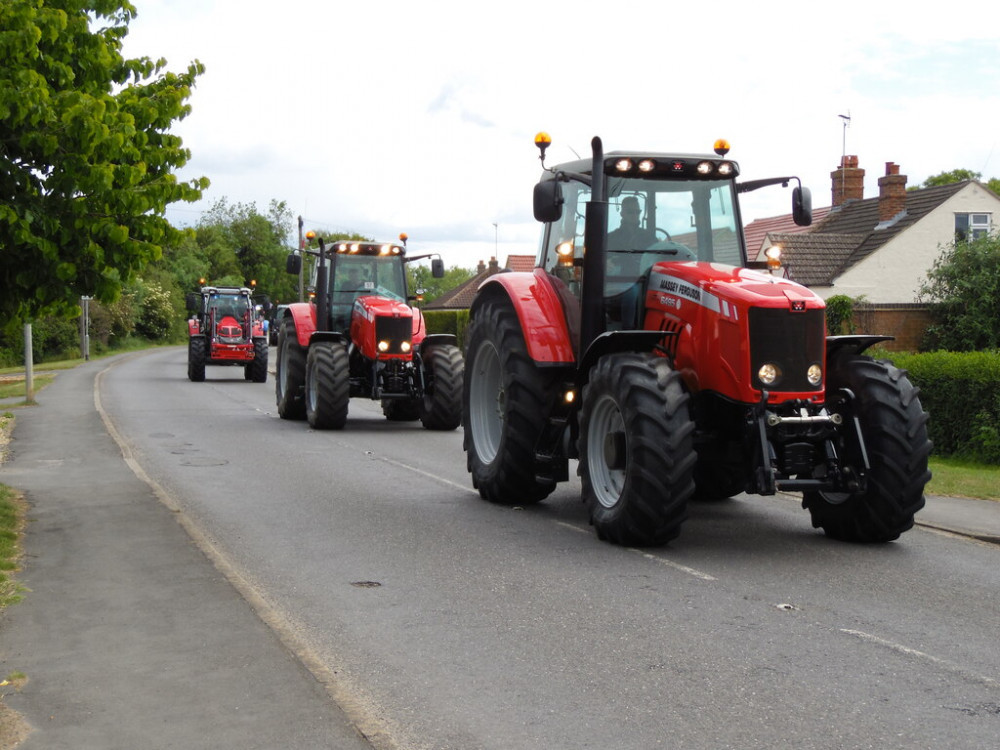
(Header image by Paul Bryan via Geograph.org.uk)
Download our Nub News App:
- It’s FREE and available now
- Breaking news notifications
- Your Town in Your Pocket
Share: